The Living Terroir: Savoring Slow Tuscany
Words by Editorial Staff • Photography by 111111 Archives
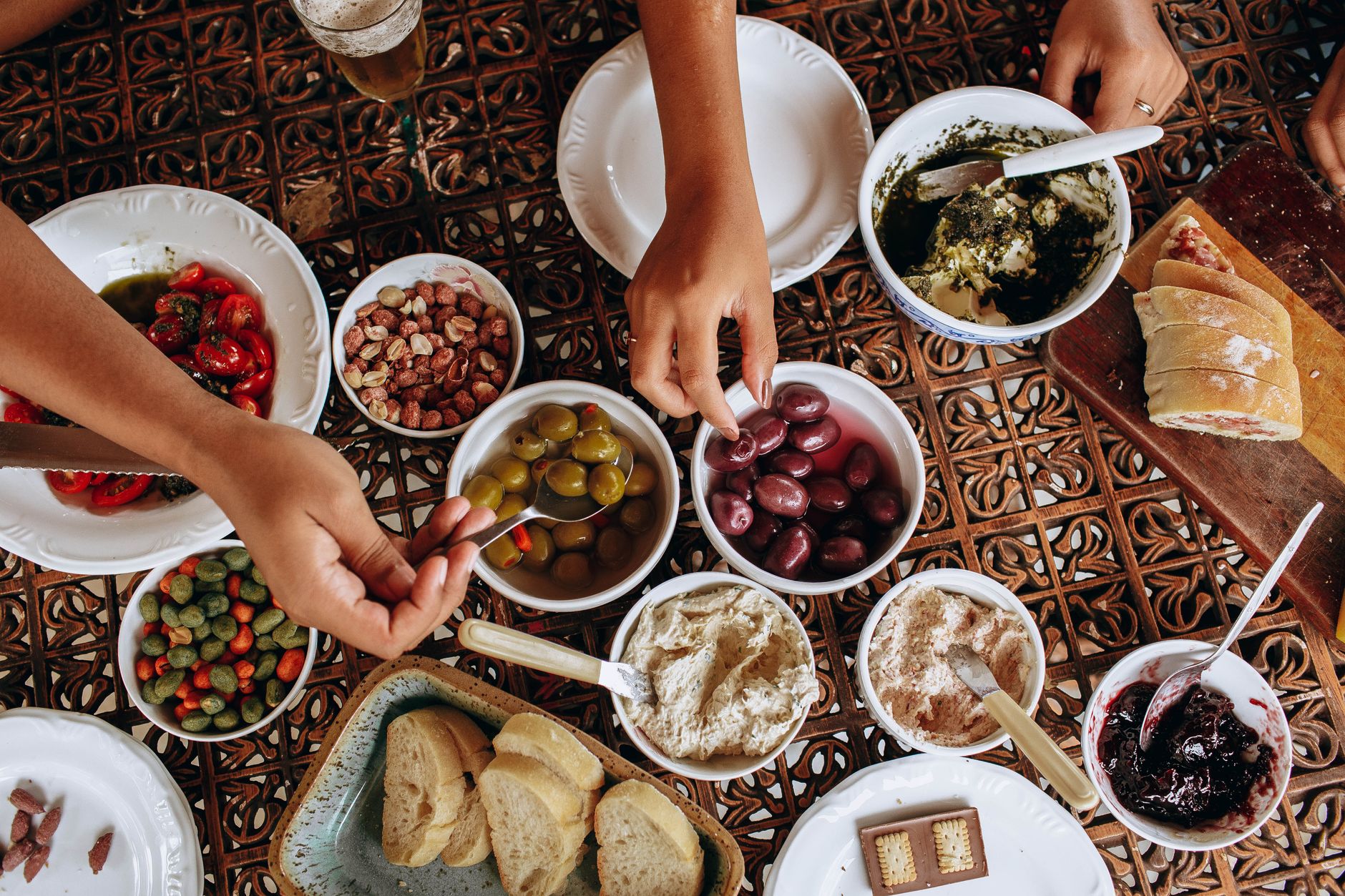
The clay hills of Val d'Orcia shift in hue with every passing hour. In late autumn, golden wheat stubble yields to damp earth freshly turned by iron plows. The air carries the sharp, grassy fragrance of newly pressed extra virgin olive oil, a green elixir celebrated with ceremonial pride across local stone hamlets.
Beyond Commercial Wine Routes
While busloads of day-trippers gather in central Florence, the true heartbeat of Tuscan gastronomy persists along unpaved gravel roads bordered by cypress sentinels. Here, independent vintners nurture native Sangiovese vines without synthetic fertilizers, fermenting grapes inside raw concrete and unvarnished Slavonian oak casks.
"Soil is memory. When you drink wine born from ancient limestone terraces, you taste five hundred years of weather and human care."
We spent three days with the Conti family outside Pienza, whose stone mill grinds heirloom spelt and Senatore Cappelli grain. Lunch was modest yet transcendent: sourdough bread still warm from the oven, sea salt, bitter green olive oil, and raw pecorino aged inside walnut leaves.
Preserving Culinary Sanctity
For the deliberate traveler, Tuscany offers a masterclass in slow living. It demands that one relinquish rigid itineraries in favor of spontaneous village feasts, quiet conversations with cheese-makers, and unhurried twilight walks through olive groves.
Commission a Private Culinary Itinerary
Access organic family vineyards, private cellar tastings, and historic country villas through 111111 curation.
Consult With Our Team